
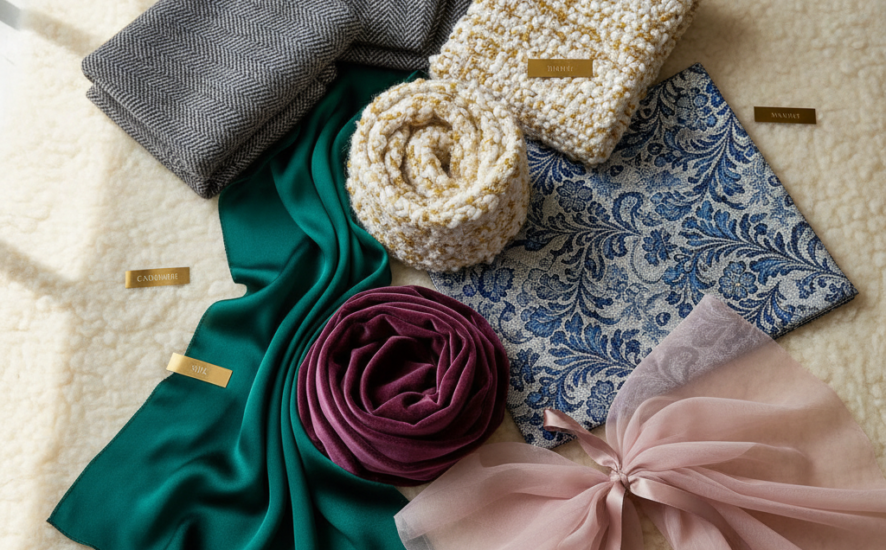

In a world dominated by fast fashion and mass production, luxury fabrics stand apart. They are defined not by logos or trends, but by craftsmanship, durability, and tactile excellence. Investing in high-quality textiles means fewer purchases, longer garment lifespans, and a more refined wardrobe.
Choosing quality over quantity is not just about appearance—it is about performance, sustainability, and long-term value.
What Defines a Luxury Fabric?
Luxury fabrics are characterized by premium raw materials, meticulous processing, and superior finishing techniques. Unlike synthetic blends produced at scale, these textiles often come from natural fibers that require careful harvesting and expert craftsmanship.
Key characteristics include:
- Exceptional softness and texture
- Durability and resilience
- Breathability and comfort
- Refined drape and structure
- Longevity with proper care
True luxury lies in how a fabric feels against the skin and how it performs over time.
Silk: The Standard of Elegance
Silk has symbolized sophistication for centuries. Derived from silkworm cocoons, it offers unmatched smoothness and natural sheen.
Why silk stands out:
- Naturally temperature-regulating
- Hypoallergenic
- Lightweight yet strong
- Elegant drape with subtle shine
High-quality silk, such as mulberry silk, is prized for its uniform fibers and durability. While delicate in appearance, properly maintained silk can last for decades.
Cashmere: Softness Without Compromise
Harvested from the undercoat of cashmere goats, cashmere is known for its extraordinary softness and warmth.
Premium cashmere features:
- Fine fiber diameter (softer feel)
- Strong yet lightweight insulation
- Minimal pilling when high grade
- Superior longevity with proper care
Lower-grade cashmere may pill excessively or feel coarse. High-quality versions feel almost weightless and maintain structure over time.
Linen: Refined Simplicity
Made from flax fibers, linen is one of the oldest textiles in history. It is valued for its breathability and natural texture.
Advantages of premium linen:
- Excellent moisture absorption
- Stronger when wet
- Naturally antibacterial
- Develops softness over time
High-end linen features tighter weaves and smoother finishes, giving it structure without stiffness.
Wool: Performance Meets Prestige
Not all wool is equal. Fine varieties such as Merino wool are exceptionally soft and breathable.
Luxury wool benefits:
- Natural elasticity
- Wrinkle resistance
- Thermal regulation
- Odor resistance
High-grade wool fabrics used in tailoring maintain their shape and drape beautifully, making them ideal for suits and coats.
Egyptian Cotton: Elevated Everyday Comfort
Egyptian cotton is renowned for its long-staple fibers, which produce smoother and stronger yarns.
What makes it premium:
- Fewer fiber ends (less pilling)
- Increased softness
- Higher durability
- Enhanced breathability
Quality cotton improves with washing, making it ideal for shirts, bedding, and everyday staples.
How to Identify True Quality
Luxury labels alone do not guarantee excellence. Evaluating a fabric requires attention to detail.
Look for:
- Fiber content transparency
- Weight and density
- Even stitching and finishing
- Minimal synthetic blending
- Country of origin and craftsmanship reputation
Touch the material. High-quality fabric feels substantial without heaviness and maintains consistent texture throughout.
Why Choosing Quality Saves Money
While premium fabrics carry a higher initial cost, they offer better long-term value.
- Fewer replacements needed
- Maintained appearance over time
- Reduced environmental impact
- Improved comfort and wearability
Investing in one exceptional piece often replaces multiple lower-quality alternatives.
Sustainable Advantages of Luxury Textiles
Many natural luxury fibers are biodegradable and renewable. When responsibly sourced, they contribute to:
- Lower microplastic pollution
- Reduced fast-fashion waste
- Longer garment life cycles
- Ethical production practices
Quality-driven consumption aligns style with responsibility.
Frequently Asked Questions
1. Are luxury fabrics always natural fibers?
Most premium textiles are natural, but some high-end fabrics incorporate advanced blends for performance. The key factor is craftsmanship and fiber integrity rather than whether the material is entirely natural.
2. How can I prevent pilling in cashmere and wool?
Turn garments inside out before washing, use gentle detergents, and avoid friction. Investing in higher-grade fibers significantly reduces pilling.
3. Is thread count the best indicator of cotton quality?
Not necessarily. Fiber length and weave quality matter more than a high thread count alone.
4. Do luxury fabrics require professional cleaning?
Some, like silk and structured wool garments, benefit from professional care. Others can be hand-washed with proper attention.
5. How long should a high-quality garment last?
With appropriate care, premium pieces can last many years—often a decade or more.
6. Are luxury fabrics more sustainable than synthetic options?
Generally, natural luxury fibers are biodegradable and longer-lasting, making them more environmentally responsible when ethically sourced.
7. What is the best fabric for year-round wear?
Fine wool and high-quality cotton are versatile options due to their breathability and temperature-regulating properties.
Choosing luxury fabrics is not about excess—it is about intention. When you prioritize craftsmanship and durability, your wardrobe becomes smaller, stronger, and far more refined.
Comments are closed.