
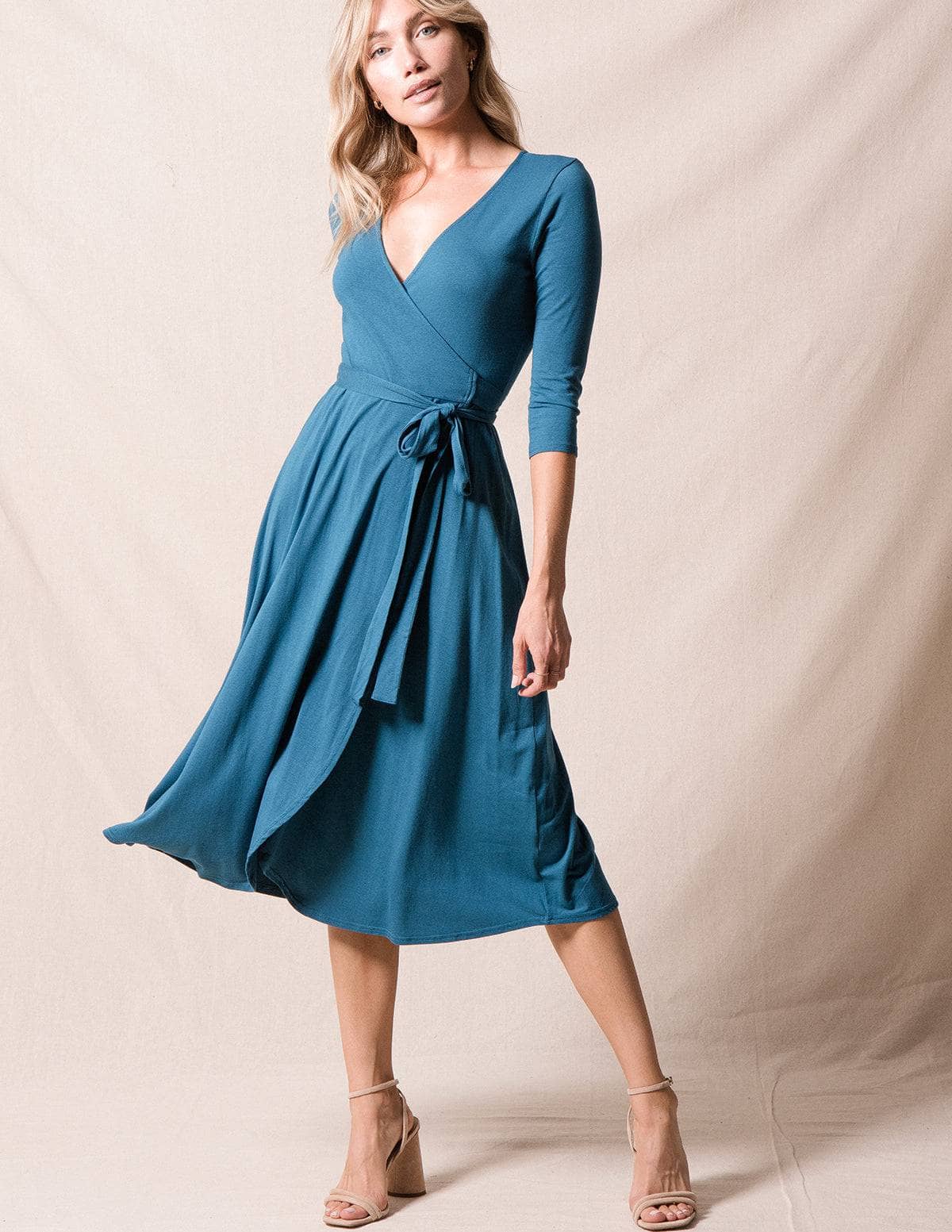

The right dress does more than follow trends—it complements proportions, enhances comfort, and builds confidence. While style is personal, understanding how different silhouettes interact with body shapes can make shopping more efficient and rewarding.
Rather than focusing on rigid rules, consider these guidelines as tools to highlight your natural proportions and express your individuality.
Understanding Body Proportions
Body types are typically categorized by how weight is distributed. The most common general shapes include:
- Hourglass: Balanced bust and hips with a defined waist
- Pear (Triangle): Wider hips with a narrower upper body
- Apple (Round): Fuller midsection with slimmer legs
- Rectangle: Similar measurements at bust, waist, and hips
- Inverted Triangle: Broader shoulders with narrower hips
Most individuals fall somewhere between categories, so flexibility matters.
Best Dresses for Hourglass Shapes
Hourglass figures benefit from silhouettes that define the waist without overwhelming natural curves.
Recommended styles:
- Wrap dresses that accentuate the waistline
- Fit-and-flare silhouettes
- Tailored sheath dresses
- Belted midis for added definition
Avoid overly boxy cuts that conceal shape.
Flattering Choices for Pear Shapes
Pear-shaped bodies can create visual balance by drawing attention upward.
Effective options include:
- A-line dresses that skim over hips
- Off-the-shoulder or embellished necklines
- Structured shoulders to broaden the upper frame
- Darker shades on the lower half with lighter or detailed tops
Flowing fabrics that glide rather than cling often work best.
Ideal Dresses for Apple Shapes
Apple-shaped figures often shine in designs that elongate the torso and highlight the legs.
Consider:
- Empire waist dresses that fall just below the bust
- V-necklines to create vertical lines
- Shift dresses with clean structure
- Flowing midis that avoid tight waist emphasis
Soft draping can add movement without adding bulk.
Styling for Rectangle Body Types
Rectangle shapes benefit from styles that create curves and dimension.
Helpful features include:
- Peplum details to add volume at the hips
- Ruffles or pleats for shape
- Belts to define the waist
- Layered designs that add structure
Experimenting with textures can also enhance dimension.
Dresses for Inverted Triangle Shapes
For inverted triangle figures, the goal is to balance broader shoulders with added lower-body volume.
Flattering styles include:
- Full or flared skirts
- A-line midis
- Minimal shoulder detailing
- Halter or deeper necklines that soften width
Avoid excessive shoulder embellishments that exaggerate upper proportions.
Fabric and Fit Matter Most
Beyond silhouette, fabric choice significantly influences appearance.
Keep in mind:
- Structured fabrics offer shape and support
- Stretch blends enhance comfort and contouring
- Lightweight materials provide flow and ease
- Proper tailoring can transform almost any dress
Fit should feel comfortable while maintaining clean lines.
Confidence Is the Final Touch
While guidelines are helpful, personal comfort and confidence matter most. The perfect dress is one that aligns with your lifestyle, suits the occasion, and allows you to move freely.
When you feel comfortable in your clothing, it naturally enhances posture, expression, and overall presence.
Frequently Asked Questions (FAQ)
1. Can one dress style work for multiple body types?
Yes. A-line and wrap dresses, for example, tend to flatter many shapes due to their adaptable structure.
2. Should I strictly follow body type guidelines?
No. These suggestions are starting points, not rules. Personal preference and comfort should guide final choices.
3. How important is tailoring for the perfect fit?
Professional tailoring can dramatically improve how a dress fits, especially in the waist, hemline, and shoulder areas.
4. Do patterns and prints affect body proportions?
Yes. Vertical stripes elongate, while large prints can add visual volume. Placement of patterns influences overall balance.
5. What role does undergarment choice play?
Properly fitted undergarments improve silhouette, enhance comfort, and ensure smoother dress lines.
6. How do seasonal fabrics impact dress selection?
Heavier fabrics suit cooler months and provide structure, while breathable materials like cotton or linen are ideal for warm weather.
7. Is body type the only factor when choosing a dress?
No. Occasion, climate, personal style, and comfort level are equally important considerations.
Comments are closed.