
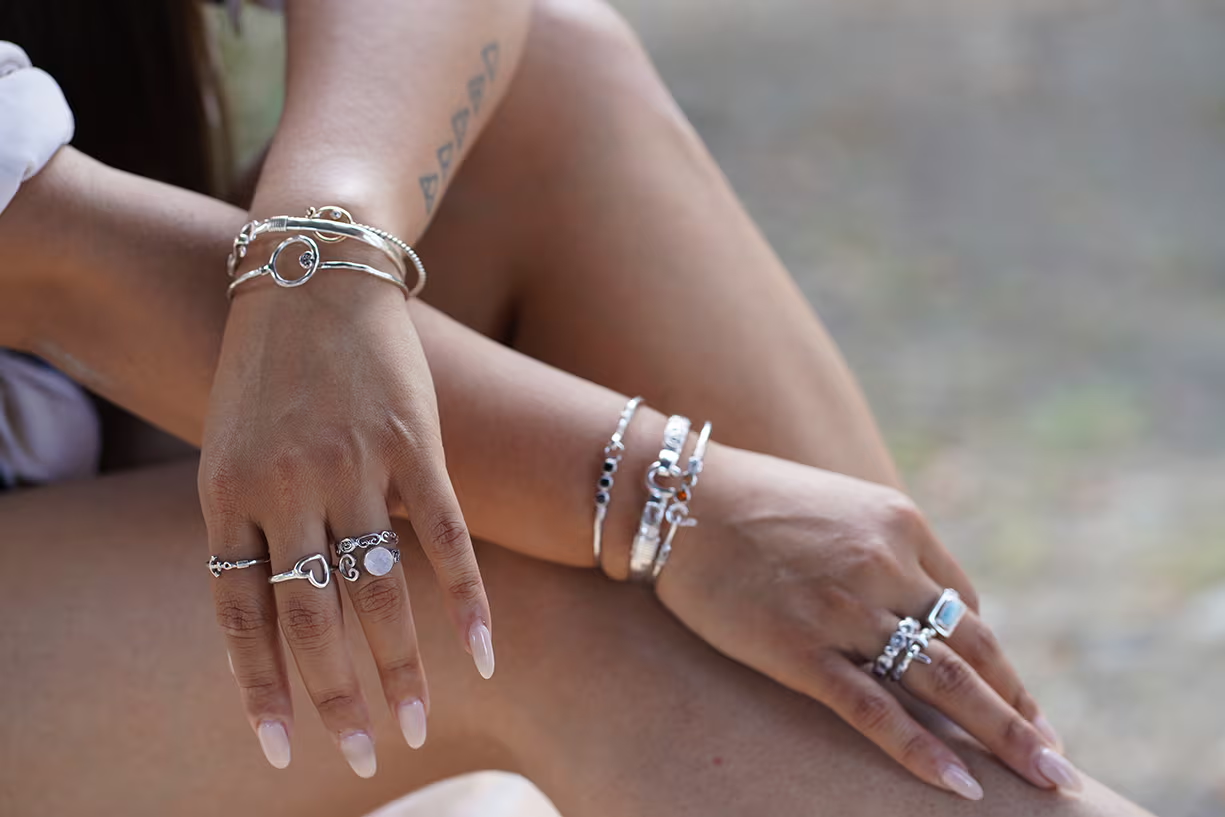

In a market saturated with factory-made accessories, handcrafted jewelry stands apart for its individuality, precision, and meaning. Each piece reflects the maker’s skill, creative vision, and attention to detail—qualities that cannot be replicated by automated production lines.
Artisan jewelry is not simply an accessory; it is an expression of craftsmanship, culture, and personal identity. Understanding why these pieces matter helps consumers make more thoughtful and rewarding purchases.
What Defines Handcrafted Jewelry?
Handcrafted jewelry is created primarily by skilled artisans rather than machines. While small tools may assist in the process, the design, shaping, and finishing rely on human expertise.
Key characteristics include:
- Small-batch or one-of-a-kind production
- Careful selection of natural or responsibly sourced materials
- Visible signs of craftsmanship such as hand-setting stones or custom metalwork
- Unique design elements that reflect the artisan’s personal style
Unlike mass-produced jewelry, no two handmade pieces are ever exactly the same.
The Value of Authentic Craftsmanship
True craftsmanship goes beyond assembly. It involves years of training, refined techniques, and a deep understanding of materials.
1. Superior Attention to Detail
Artisans closely inspect every stage of production—from metal shaping to stone setting. This hands-on process reduces flaws and results in:
- Stronger structural integrity
- Precise gemstone alignment
- Smooth finishes and comfortable wear
2. Higher Material Integrity
Many independent jewelers prioritize:
- Sterling silver, solid gold, or platinum
- Ethically sourced gemstones
- Recycled metals
- Non-toxic polishing and finishing methods
This focus often leads to jewelry that lasts longer and ages beautifully.
The Artisan Process: From Concept to Creation
Creating handcrafted jewelry is a meticulous, multi-step journey.
Design Development
Most artisans begin with hand-drawn sketches or digital concepts. Design decisions consider proportion, durability, and aesthetic harmony.
Material Preparation
Metals are cut, shaped, and formed manually. Gemstones are evaluated for clarity, color, and fit before being set.
Assembly and Finishing
Processes may include:
- Soldering
- Hammer texturing
- Stone setting
- Hand polishing
Each stage requires steady hands and trained judgment.
Why Artisan Jewelry Matters Today
In a world of rapid production cycles and disposable fashion, artisan jewelry offers meaningful alternatives.
Supports Independent Creators
Purchasing handmade pieces directly supports:
- Small businesses
- Local economies
- Traditional craft techniques
Consumers help sustain artistic skills that might otherwise disappear.
Encourages Sustainable Consumption
Handcrafted jewelry typically promotes slower production and mindful purchasing. Because the pieces are durable and timeless, they reduce the cycle of constant replacement.
Offers Emotional and Personal Value
Artisan jewelry often carries:
- Personal stories behind the design
- Cultural symbolism
- Customization options
These qualities transform jewelry into heirlooms rather than temporary trends.
Distinction Over Uniformity
Mass-produced jewelry prioritizes consistency and cost efficiency. Artisan jewelry prioritizes originality.
With handcrafted pieces, you gain:
- Designs not commonly found in retail chains
- Custom sizing and modifications
- Limited-edition collections
For those seeking individuality, handmade jewelry provides a distinct edge.
Investment Beyond Price
While artisan pieces may cost more upfront, their value extends beyond material weight.
Consider:
- Durability and repairability
- Ethical sourcing
- Timeless appeal
- Artistic merit
A well-made handcrafted piece can last decades and often becomes a cherished keepsake passed down through generations.
How to Identify Genuine Artisan Jewelry
Not all “handmade” labels reflect true craftsmanship. To ensure authenticity:
- Look for information about the maker
- Ask about materials and sourcing
- Examine finishing details closely
- Check for hallmarks or maker’s marks
- Avoid vague descriptions with no production transparency
Reputable artisans openly share their process and materials.
The Emotional Connection to Handmade Pieces
There is something deeply personal about wearing jewelry shaped by human hands. Slight variations in texture or finish are not imperfections—they are proof of authenticity.
Owning handcrafted jewelry means carrying a fragment of the artist’s creativity and dedication. That connection often makes the piece feel more significant than something selected from a display case of identical items.
Frequently Asked Questions (FAQ)
1. Is handcrafted jewelry more durable than machine-made jewelry?
Durability depends on materials and construction quality. Many artisan pieces are highly durable because they are carefully constructed and inspected at every stage.
2. Why does handcrafted jewelry sometimes cost more?
The price reflects labor time, material quality, limited production, and the artisan’s expertise rather than mass manufacturing efficiency.
3. Can handcrafted jewelry be customized?
Yes. Many artisans offer custom sizing, gemstone choices, engraving, and even fully bespoke designs tailored to individual preferences.
4. How should handcrafted jewelry be maintained?
Store it in a dry place, clean gently with appropriate materials, and avoid harsh chemicals. Periodic professional cleaning helps preserve its finish and structure.
5. Is artisan jewelry a good gift option?
It is often considered a meaningful gift because it carries uniqueness, story, and thoughtful craftsmanship.
6. Are handcrafted pieces environmentally friendly?
Many artisans prioritize sustainable sourcing and small-batch production, which can reduce environmental impact compared to mass manufacturing.
7. How long does it take to create a handcrafted jewelry piece?
Depending on complexity, a single piece can take several hours to multiple days, especially if it includes custom elements or intricate stone setting.
Handcrafted jewelry represents more than adornment. It reflects patience, artistry, and intention—qualities that transform simple materials into lasting expressions of identity and craftsmanship.
Comments are closed.