
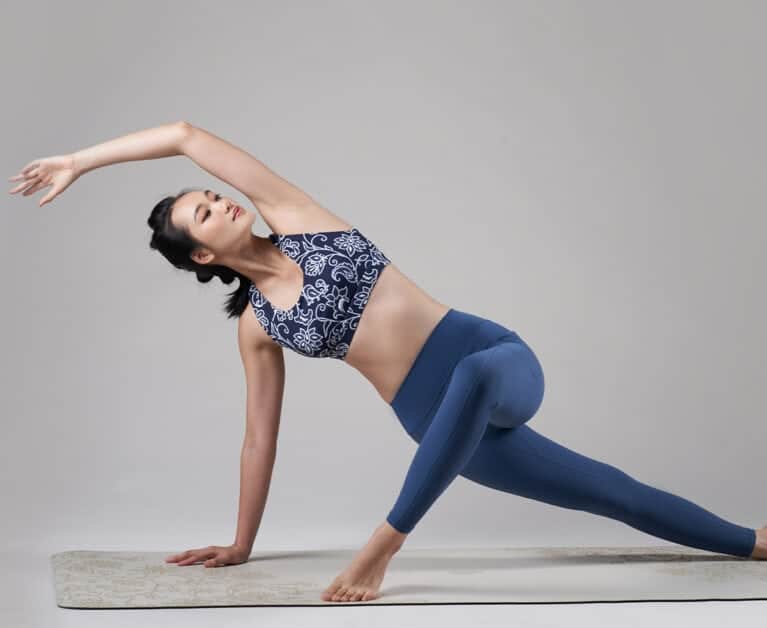
The Rise of Adaptive Yoga Fashion in Singapore and How Climate Responsive Fabrics Are Changing Practice

Why Yoga Fashion Is Evolving in Singapore
Singapore’s yoga community has grown steadily, but what has changed even more noticeably is the way people dress for their practice. Yoga fashion was once simple. Practitioners wore basic cotton leggings and T shirts, focusing mainly on comfort. Today, yoga fashion in Singapore has become a thoughtful blend of textile technology, climate responsive design, and adaptable fit. This evolution is shaped by both the tropical weather and the growing awareness that clothes influence performance, breathability, and the emotional tone of a practice.
As more people explore mindful forms of movement such as yoga Singapore, they want clothing that supports mobility, regulates moisture, handles humidity, and adapts to the body’s natural shifts during different postures. The result is a new wave of adaptive yoga fashion designed specifically for real world conditions in Singapore.
How Singapore’s Climate Shapes the Need for Adaptive Yoga Wear
Singapore’s climate is warm, humid, and consistent throughout the year. Even indoor environments rely heavily on air conditioning, which creates quick temperature transitions. These environmental factors influence the way the body reacts to clothing during yoga.
Common climate related challenges include:
-
Excess sweating due to humidity
-
Faster fabric saturation
-
Slipperiness during certain poses
-
Temperature shock when moving between outdoor heat and indoor cooling
-
Increased friction or chafing
-
Difficulty maintaining grip due to moisture
Traditional cotton or thick synthetic materials often do not perform well under these conditions. This has led to a shift toward advanced fabrics engineered for tropical performance.
What Makes Adaptive Yoga Fashion Different
Adaptive yoga fashion is designed to respond dynamically to movement, temperature, and moisture levels. Instead of relying on fixed structures, the clothing adapts to the body’s needs in real time. This means fabrics stretch with joint mobility, wick sweat efficiently, allow airflow, and feel comfortable even in long sessions.
Adaptive yoga fashion typically includes:
-
Moisture wicking fibres
-
Temperature balancing weaves
-
Muscle contouring patterns
-
Lightweight, breathable designs
-
Four way stretch panels
-
Smooth seams that prevent irritation
-
Anti bacterial treatments for hygiene
This new wave of apparel enhances the overall yoga experience, making movement feel effortless and grounded.
The Importance of Breathable Fabrics in a Humid Environment
Breathability is one of the most crucial elements of yoga fashion in Singapore. When practising in a humid climate, sweat evaporation is slower. This causes clothes to cling to the body, reducing comfort and restricting mobility. Breathable fabrics help release heat, regulate moisture, and maintain airflow across the skin.
Key breathable materials include:
-
Micro modal blends
-
Tencel
-
High performance polyester
-
Moisture wicking nylon
-
Bamboo fabric
-
Perforated mesh panels
These materials allow the skin to stay dry and cool, supporting smoother transitions during practice.
Understanding Climate Responsive Fabrics
Climate responsive fabrics are engineered to adjust to temperature and moisture changes. They become more breathable when humidity rises and more insulating when the environment becomes cooler.
These fabrics use:
-
Temperature reactive polymers
-
Moisture sensing fibres
-
Adaptive ventilation zones
-
Quick release evaporation layers
This technology is particularly important in Singapore, where practitioners often experience multiple temperature environments in a single yoga session.
The Role of Fit and Movement in Adaptive Yoga Wear
In yoga, movement varies from deep stretches to dynamic flows and stable balances. Clothing must support this range of motion without restricting circulation or causing discomfort. Adaptive yoga wear uses construction methods that help clothes move with the body rather than against it.
These methods include:
-
Seamless knitting
-
High elasticity waistbands
-
Targeted compression zones
-
Gusseted crotch designs
-
Motion mapped panels
Adaptive wear improves control in postures by removing unnecessary restriction and enhancing proprioception.
Why Minimalist Aesthetics Support Mindful Practice
Many practitioners in Singapore gravitate toward minimalist designs with neutral colours, soft tones, and clean lines. This is partly aesthetic, but it also has a deeper impact on the experience of yoga. Minimalist designs reduce visual distraction, helping the mind settle more easily during practice.
Minimalist yoga fashion offers:
-
Emotional clarity
-
A calming visual environment
-
A sense of grounding
-
A focus on movement rather than appearance
Minimalist designs complement the overall philosophy of yoga by encouraging presence and awareness.
Sweat Management and the Tropical Body Response
Sweat behaves differently in tropical climates. It accumulates more quickly and evaporates more slowly. When fabrics do not handle moisture efficiently, sweat can cause discomfort, distraction, and difficulty maintaining stability in poses. Climate responsive fabrics reduce the impact of sweat by pulling moisture away from the skin and spreading it across the fabric surface, where it evaporates more effectively.
Good sweat management supports:
-
Reduced skin irritation
-
Better grip during balancing poses
-
Longer comfort in longer classes
-
Confidence in complex movements
This is one reason why adaptive yoga wear has become essential rather than optional.
Odour Control and Fabric Hygiene
With high humidity, odour can develop more quickly, especially during intense yoga sessions. Adaptive fabrics often include anti bacterial or anti microbial treatments that help prevent odour causing bacteria from growing.
These treatments:
-
Maintain hygiene
-
Extend the lifespan of the clothing
-
Reduce frequent washing
-
Improve overall comfort
This ensures that clothes remain fresh and pleasant to wear even after long sessions.
How Yoga Practitioners in Singapore Choose Their Clothing
Many yoga practitioners in Singapore choose their clothing based on a combination of function and comfort rather than just appearance. They look for clothing that adapts to temperature, supports breathability, and complements movement.
Common considerations include:
-
Fabric weight and drying time
-
Stretchability and resilience
-
Seam placement to prevent chafing
-
Odour control features
-
Moisture wicking efficiency
-
Grip and fabric texture
-
Comfort in transitions between indoor and outdoor environments
People who practise regularly learn quickly that clothing influences not just physical comfort but also their emotional focus during practice.
The Influence of Movement Culture on Yoga Fashion Trends
Singapore’s movement culture is dynamic. Practitioners blend yoga with mobility work, Pilates, barre, and functional fitness. Adaptive yoga fashion supports this blended movement lifestyle by offering versatility.
Adaptive designs are well suited for:
-
Studio classes
-
Outdoor sessions
-
Home practice
-
Gentle flows
-
Strength based sequences
-
Restorative sessions
This adaptability makes the clothing more valuable and practical for daily use.
Sustainability and Eco Conscious Yoga Wear
Sustainability plays an increasingly important role in yoga fashion choices. Many practitioners prefer eco friendly fabrics that feel good on the skin and reduce environmental impact.
Eco options include:
-
Bamboo blends
-
Organic cotton
-
Recycled polyester
-
Tencel
-
Low waste seamless pieces
Sustainable fabrics also tend to feel softer and more breathable, which suits Singapore’s humid climate.
How Yoga Studios Influence Fashion Choices
Yoga studios contribute significantly to fashion trends by creating environments where certain fabrics or styles feel appropriate. Calming, spacious, sensory aware classrooms naturally encourage softer tones, flexible materials, and breathable weaves.
Studios known for mindful design, such as Yoga Edition, play a role in inspiring practitioners to choose clothing that harmonises with the sensory experience of yoga. When people feel grounded and comfortable in class, they look for clothing that supports that feeling outside the studio as well.
Why Adaptive Yoga Fashion Enhances Emotional Well Being
Beyond function and aesthetics, adaptive yoga fashion contributes to emotional ease. When clothes feel comfortable, breathable, and supportive, the mind relaxes more easily. This reduces frustration, improves mental focus, and deepens the connection to breath and movement.
Clothing that adapts well to the body creates:
-
A sense of freedom
-
Reduced self consciousness
-
Improved confidence in movement
-
A grounded emotional state
-
Enhanced presence during practice
These emotional benefits add to the overall yoga experience.
The Future of Yoga Fashion in Singapore
Adaptive yoga fashion will continue evolving as textile technology improves. Future developments may include:
-
Fabrics that respond to heart rate
-
Sensor embedded materials for posture feedback
-
Biodegradable high performance fibres
-
Enhanced temperature shifting yarns
-
Personalised fit through digital scanning
Singapore’s climate will continue to shape innovation, ensuring that future yoga wear remains functional, comfortable, and environmentally conscious.
FAQs About Adaptive Yoga Fashion in Singapore
Q1. How often should I replace yoga wear in a humid climate?
Most adaptive fabrics last a long time, but replacing key pieces every six to twelve months helps maintain freshness, elasticity, and hygiene.
Q2. Are natural fabrics better than synthetic ones for yoga in Singapore?
Both work well. Natural fabrics feel softer, while advanced synthetic blends offer superior moisture wicking and climate responsiveness.
Q3. Should yoga clothes fit snugly or loosely for best performance?
Snug but comfortable fits are ideal because they support movement, prevent excess fabric from shifting, and enhance proprioception.
Q4. Can adaptive yoga wear prevent slipping during poses?
Yes. Moisture wicking fabrics and textured designs help maintain grip even during heavy sweating.
Q5. Do climate responsive fabrics feel different from regular athletic wear?
Yes. They often feel lighter, cooler, and more breathable because they adjust to humidity and temperature in real time.
Comments are closed.