
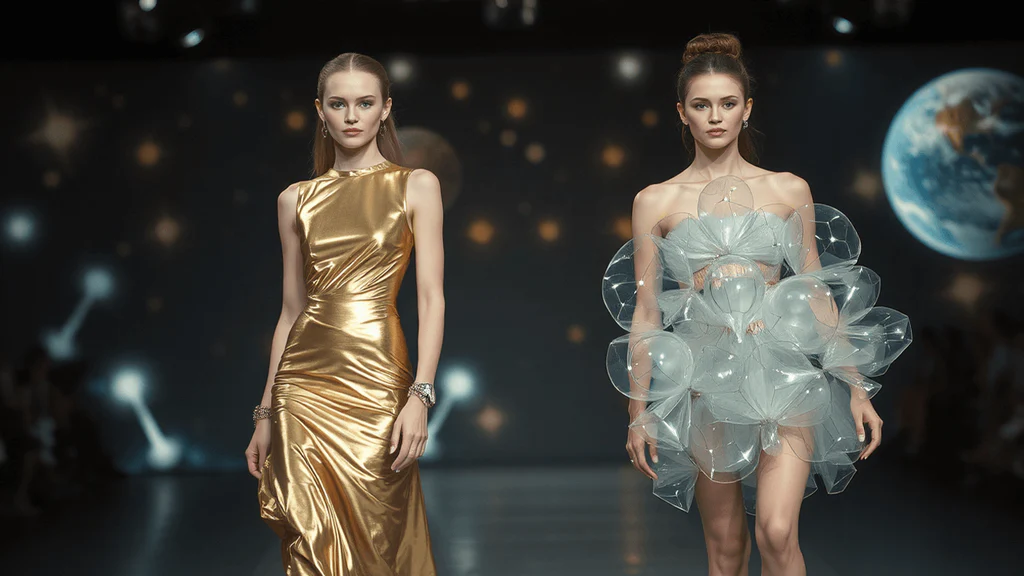

Fashion no longer flows in a single direction. For decades, designers dictated trends from elite ateliers to department store racks. Today, inspiration often begins on sidewalks, in subway stations, at music festivals, and across social feeds. Street style has become a creative engine, shaping silhouettes, color palettes, and styling techniques seen on global runways.
Understanding how everyday fashion influences high-end collections reveals how deeply connected the industry has become to real life.
The Evolution of Street Style
Street style was once an informal snapshot of youth culture. In the 20th century, subcultures such as punk, hip-hop, skateboarding, and grunge created visual identities outside mainstream fashion. Designers began observing these movements, translating their raw energy into structured collections.
What changed in the past decade:
- Social media accelerated the visibility of personal style
- Fashion week photographers turned sidewalks into trend incubators
- Independent stylists and influencers gained global audiences
- Designers began actively researching street movements before designing collections
Today, the line between observer and creator is blurred.
How Designers Translate Streetwear Into Runway Concepts
Designers rarely copy street fashion directly. Instead, they reinterpret its elements with craftsmanship and narrative depth.
Common translation techniques include:
- Elevating casual silhouettes such as hoodies and cargo pants with luxury fabrics
- Refining oversized fits into tailored proportions
- Reworking graphic motifs into high-fashion prints
- Transforming layering techniques into structured runway styling
For example, the oversized blazer—once a thrift-store staple—has become a runway mainstay, reshaped with sharper shoulders and premium materials.
Cultural Movements as Creative Catalysts
Street style reflects culture in motion. Music scenes, activism, sports communities, and local traditions all feed into fashion’s evolution.
Influential cultural drivers include:
- Hip-hop culture, which elevated sneakers, logo-centric pieces, and relaxed tailoring
- Skateboarding communities that popularized utilitarian durability
- Punk’s DIY aesthetic influencing distressed fabrics and hardware detailing
- Festival fashion encouraging bold prints and experimental layering
Designers monitor these movements because they signal broader social shifts.
The Role of Global Street Capitals
Certain cities act as trend laboratories. Each urban center contributes a distinct visual language that designers reinterpret on international stages.
- Tokyo is known for experimental layering and avant-garde silhouettes
- Paris balances effortless tailoring with understated elegance
- New York merges practicality with bold statement pieces
- Seoul blends polished minimalism with youthful edge
Runway collections often echo these city-specific aesthetics months later.
Social Media: The Fast Track From Sidewalk to Catwalk
Digital platforms have compressed the trend cycle. A distinctive outfit photographed in the morning can influence designers’ mood boards by evening.
Key impacts of social platforms:
- Instant global exposure of emerging styles
- Data-driven insights into what resonates with audiences
- Increased collaboration between brands and content creators
- Democratization of trend forecasting
Street style is no longer local—it is instantly international.
Why Authenticity Drives Innovation
Runway shows succeed when they feel relevant. Designers seek authenticity in real people because it reflects genuine lifestyle needs rather than abstract fantasy.
Street style offers:
- Practical insights into comfort and mobility
- Creative layering born from climate realities
- Honest combinations of high and low fashion
- Cultural narratives that resonate with communities
Authenticity ensures collections connect emotionally with audiences.
The Continuous Feedback Loop
Fashion now operates as a dialogue rather than a broadcast. Designers observe the street, reinterpret ideas for the runway, and consumers then adapt those luxury trends back into everyday wardrobes.
This loop creates:
- Faster trend evolution
- Blended aesthetics across price points
- Greater inclusivity in style representation
- Ongoing collaboration between creators and consumers
Street style is not just influencing fashion—it is co-authoring it.
Frequently Asked Questions (FAQ)
1. How do designers research street style trends?
Designers study fashion week street photography, monitor social media, travel to trend-setting cities, and analyze youth subcultures to gather inspiration.
2. Does street style influence luxury brands more than fast fashion?
Both segments draw inspiration from streetwear, but luxury brands often reinterpret ideas with craftsmanship, while fast fashion may replicate trends more directly.
3. Can street style predict future fashion trends?
Yes. Since it reflects emerging cultural movements and consumer preferences, it often signals shifts before they reach mainstream retail.
4. Why do oversized silhouettes frequently appear on runways?
Oversized fits originate from practical and cultural street influences, offering comfort and expressive proportion play that designers refine for high fashion.
5. How has influencer culture changed street style?
Influencers amplify individual outfits to global audiences, accelerating trend adoption and giving everyday dressers a powerful voice in shaping fashion.
6. Is street style limited to younger generations?
No. While youth culture often drives innovation, street style encompasses all age groups and reflects diverse lifestyles and identities.
7. Will runway fashion eventually become entirely street-inspired?
Runway fashion will continue blending artistic vision with street influence, maintaining creativity while staying grounded in real-world expression.
Comments are closed.