
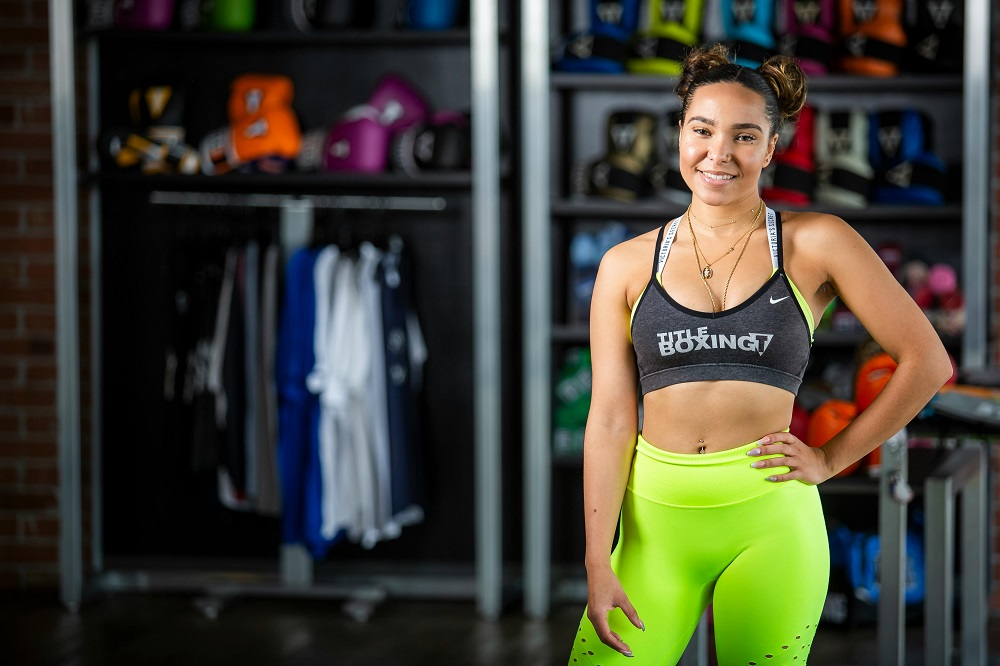

The boundary between performance sportswear and everyday clothing has dissolved so completely that the term athleisure no longer adequately captures what the category has become. What began as the casual wearing of gym clothing outside training environments has evolved into a sophisticated intersection of textile engineering, wearable technology, biometric monitoring, and fashion design that is reshaping not just what people wear to a fitness gym but how the clothing they wear actively participates in their training experience.
In Singapore, where the climate creates year-round demand for high-performance fabric solutions and the population’s fashion consciousness intersects with a serious gym culture, this evolution is particularly visible. The fitness gym singapore environment has become a showcase for textile innovation and performance apparel technology that was previously confined to elite sport.
Performance Fabric Technology: What Has Changed
The foundational technology driving athleisure’s evolution is fabric engineering. The performance fabrics available in today’s premium gym apparel market represent a qualitative leap from the polyester blends that dominated sportswear a decade ago.
Moisture management systems in contemporary performance fabrics go beyond simple moisture-wicking. Advanced constructions use hydrophilic inner layers that pull moisture toward the skin surface and hydrophobic outer layers that spread it rapidly for evaporation, maintaining a drier skin contact surface throughout training. In Singapore’s humid climate, where sweat rates during gym training are elevated, this moisture management capability has a meaningful impact on training comfort and skin health.
Compression technology has matured from simple elastic garments into graduated compression systems with anatomically mapped pressure zones designed to support specific muscle groups, enhance proprioception, and reduce muscle oscillation during high-impact movements. Research supports the recovery benefits of properly graded compression garments when worn post-exercise, and evidence for performance benefits during training is growing for specific activities.
Thermoregulation fabrics incorporate phase-change materials that absorb body heat during periods of high exertion and release it during lower-intensity phases, actively modulating skin temperature throughout a training session. This technology, originally developed for aerospace applications, is increasingly incorporated into premium gym apparel at accessible price points.
Antimicrobial treatment of gym apparel fabrics addresses the bacterial growth that produces odour during and after exercise. Silver-ion technology and other antimicrobial treatments are now standard in premium performance fabrics, maintaining garment freshness across multiple sessions between washes and reducing the skin irritation associated with bacterial colonisation of moist fabric.
Integrated Biometric Sensing in Gym Apparel
The next frontier of athleisure technology is the integration of biometric sensing directly into fabric. Smart textiles that embed conductive yarns, pressure sensors, and electromyography electrodes into garment fabric are moving from prototype stages toward commercial availability.
The practical applications for fitness gym users include:
- Heart rate monitoring shirts that use electrodes woven into the chest area of compression tops to deliver ECG-quality heart rate data without the discomfort of a chest strap, transmitted wirelessly to connected devices
- Muscle activation shorts and tights that use electromyography sensors to identify which muscle groups are most and least active during resistance training exercises, providing data that reveals muscle imbalances and recruitment pattern problems invisible to visual observation
- Posture monitoring garments that use strain sensors to detect spinal alignment and shoulder position deviations in real time, providing haptic feedback cues when posture drifts from optimal alignment during training
These technologies are currently at early commercial stages with premium pricing, but the trajectory of cost reduction in textile electronics suggests that biometric sensing garments will be mainstream gym apparel within the next five to seven years.
The Intersection of Performance and Fashion
Singapore’s gym-going population sits at an interesting cultural intersection between performance focus and aesthetic consciousness. The city’s fashion awareness is high, and gym clothing carries social signalling dimensions alongside its functional role. Premium athleisure brands have responded to this by investing heavily in design aesthetics alongside technical performance, producing garments that perform at elite levels while meeting the visual standards expected in Singapore’s style-conscious environment.
The premium athleisure market in Singapore has grown significantly as a result, with consumers willing to pay substantially more for garments that deliver on both performance and aesthetic dimensions simultaneously. The positioning of premium performance apparel as a wardrobe investment rather than a purely functional expenditure reflects a shift in how gym clothing is culturally understood.
This has driven the proliferation of gym-to-street crossover designs that transition seamlessly from training environments to casual social settings, which aligns naturally with Singapore’s compact urban geography where the transition from gym to lunch meeting to retail shopping often happens within a single morning.
Sustainability in Performance Apparel
An increasingly important dimension of the premium athleisure market, particularly among Singapore’s environmentally conscious consumer segments, is sustainability credentials. The textile industry is a significant environmental polluter, and performance fabrics historically relied on petrochemical-derived synthetic fibres with high environmental production costs.
The leading performance apparel brands are investing in recycled polyester from plastic waste, bio-derived synthetic fibres from plant sources, and circular take-back programmes that reclaim used garments for fibre recycling. These sustainability developments are increasingly influencing purchase decisions among Singapore’s premium gym apparel consumers, particularly in the millennial and Gen Z demographic segments.
TFX Singapore members reflect the broader market’s growing interest in premium, technically advanced gym apparel that delivers genuine performance benefits alongside the aesthetic and sustainability credentials that resonate with Singapore’s discerning fitness consumer community.
FAQ
Q: Does premium performance gym apparel actually improve training outcomes? The evidence for direct performance enhancement from advanced fabric technology is modest for most recreational gym-goers. The more meaningful benefits are comfort, moisture management, and reduced friction and irritation during extended training sessions, which support longer and more consistent training by removing discomfort as a motivation barrier. Compression garments have reasonable evidence for recovery benefits post-exercise.
Q: How should Singapore gym-goers care for performance fabrics to maintain their technical properties? Washing in cold water, avoiding fabric softeners that coat moisture-wicking fibres and reduce their effectiveness, and air drying rather than tumble drying preserves technical fabric properties across a greater number of wash cycles. High heat from dryers degrades elastic components and heat-bonded constructions in premium gym apparel.
Q: Are biometric sensing garments compatible with existing fitness tracking ecosystems? Most current commercial smart garments use Bluetooth or ANT plus transmission protocols that are compatible with major fitness tracking platforms. Integration with established ecosystems including Garmin, Apple Health, and Google Fit is a design priority for commercial smart garment developers given the importance of data portability to fitness-conscious consumers.
Q: Is there a meaningful performance difference between premium and mid-range gym apparel for the average gym-goer? For most recreational gym-goers, the performance gap between premium and mid-range performance apparel is narrower than the price gap suggests. The most meaningful technical differences are in moisture management, compression graduation, and long-term durability. Entry-level gym clothing from reputable sportswear brands performs adequately for most training applications.
Comments are closed.