
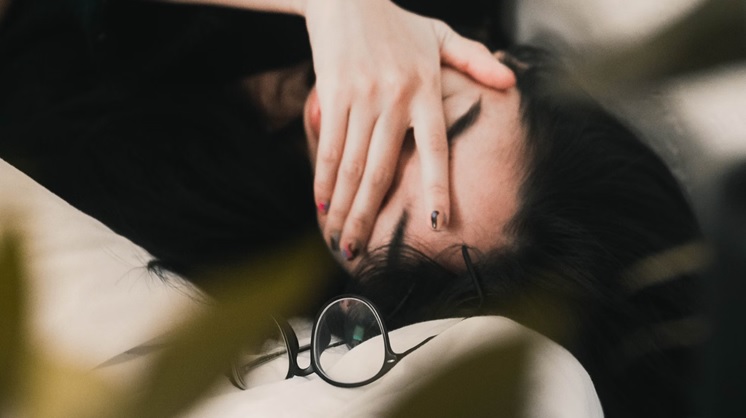

We’ve all been there—sitting at a desk after hours of screen time, rubbing sore eyes and wondering why everything feels a bit foggy. Whether you’re behind a laptop all day, juggling meetings, or simply scrolling in bed longer than you should, tired eyes are more than just a minor nuisance. They affect concentration, productivity, and even your mood. But here’s the thing: the right pair of glasses can genuinely make a world of difference.
Let’s unpack why your eyes are getting tired—and how the right specs can ease the strain.
What’s Actually Happening When Your Eyes Feel Tired?
Eye fatigue, or asthenopia if we’re being technical, happens when the muscles in your eyes work overtime. That might be due to focusing too long at a single distance (hello, spreadsheets), poor lighting, incorrect prescriptions, or unfiltered exposure to blue light from digital screens.
Unlike a quick walk or a coffee break, eye strain doesn’t always go away with rest. In fact, if your glasses aren’t doing their job properly—or if you’re not wearing any at all—it can become a daily grind. And the symptoms don’t always stay in your eyes. Headaches, neck stiffness, and even difficulty sleeping can all stem from ongoing visual stress.
Your Prescription Might Be the Problem
One of the most common causes of tired eyes is an outdated or incorrect prescription. Your eyes gradually change over time, and if your lenses aren’t keeping up, your eye muscles have to compensate. This leads to fatigue, blurriness, and that familiar aching behind the eyes.
Even a slight prescription error—say, half a dioptre—can throw things off. If it’s been more than two years since your last eye test, it’s worth booking an appointment. The difference a fresh, accurate prescription can make is genuinely surprising.
Choosing high-quality prescription glasses from a trusted source is key here. Look for options that include accurate lens customisation, particularly if you’re dealing with astigmatism or need varifocals. Don’t just go for style—ensure your lenses are doing the heavy lifting where it matters.
Lens Coatings That Make a Real Difference
Not all lenses are created equal, and when it comes to reducing eye strain, coatings can play a significant role. Here are a few to look out for:
- Anti-reflective coating: This reduces glare from overhead lights, screens, and even headlights. Less glare means your eyes don’t have to keep adjusting, especially in mixed lighting environments.
- Blue light filters: These can help reduce exposure to high-energy visible (HEV) light from screens. While the science is still catching up, many people report reduced eye fatigue and better sleep when using lenses with blue light protection.
- Photochromic lenses: If you move between indoor and outdoor environments, these adaptive lenses can reduce the need for squinting and switching between glasses and sunglasses.
You don’t need to get everything at once—but picking lenses tailored to your lifestyle can make a significant difference to your daily comfort.
Glasses for Screen Time: What to Look For
If most of your day is spent in front of a screen, glasses designed for digital work can be a game-changer. Some are tailored specifically for intermediate distances—the kind you use when sitting at a computer. Unlike reading glasses (which focus on close-up work) or distance glasses (which help you see far away), these lenses are set for that sweet spot of around 50-70cm.
You might also consider frames that sit comfortably during long wear. Lightweight materials like titanium or acetate, combined with adjustable nose pads, can help prevent pressure points and slippage—especially important if you’re hopping between Zoom calls and spreadsheets.
When Tired Eyes Mean Something More
It’s important to say: if your eye fatigue is persistent, getting worse, or accompanied by other symptoms—like flashes of light, vision loss, or severe pain—it’s time to see an optician. While glasses can relieve common visual stress, they’re not a fix for every issue.
For most people, though, the solution is refreshingly straightforward. A good pair of glasses, built with the right lenses, can lift that constant weight from your eyes and help you feel sharper, clearer, and more comfortable every day.
Tired eyes don’t have to be part of your daily routine. With the right support—be it an updated prescription, specialised coatings, or glasses designed for your screen-heavy lifestyle—you can ease the strain and keep your vision working for you, not against you.
Your eyes work hard for you—make sure your glasses do, too.
Comments are closed.